Dr. Prosenjit Datta
List of some commonly performed surgeries. Remember, there are many more…
includes the common pediatric surgical problems usually involing the intestines, limbs and other parts of the body
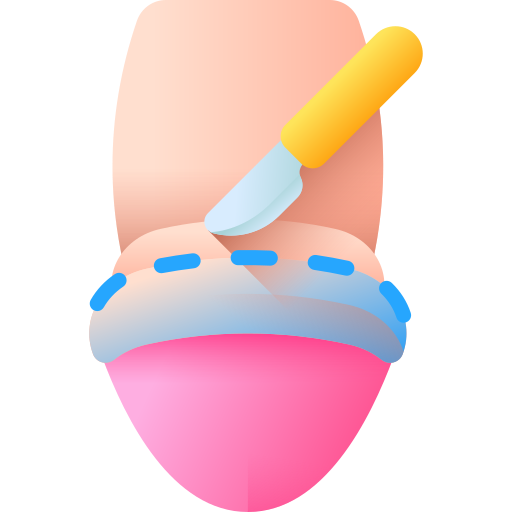
A minor surgical procedure to excise the excess skin over the glans penis or prepuce.
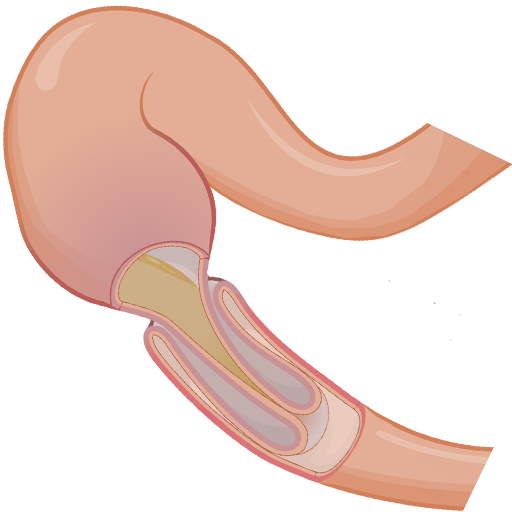
Usually a routine surgery but may become an emergency if obstructed or strangulated.
Can wait up to 2 years of age, if not resolved spontaneously, should undergo surgery.
Should be operated within 1 year of age, if delayed permanent loss of function occurs.
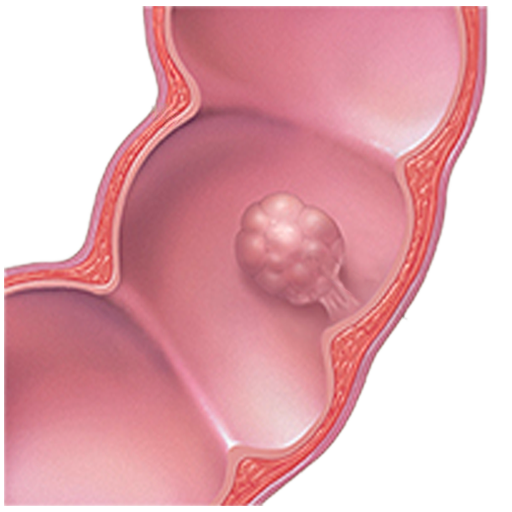
Painless bleeding during defecation. If untreated may lead to anemia & growth failure.
Emergemcy. May resolve with treatment, if not, appendectomy is indicated.
Surgical emergency. Should be operated as soon as possible to prevent permanent damage.
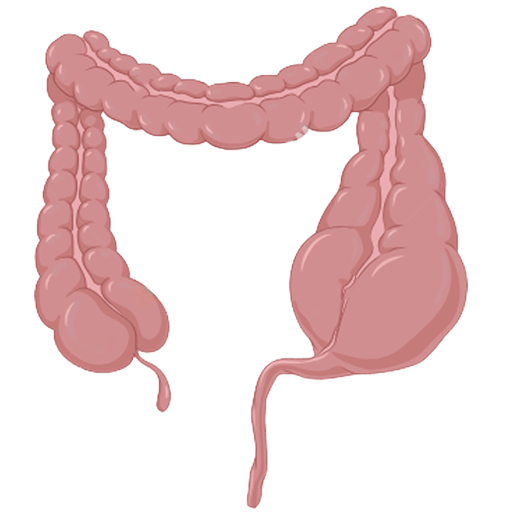
Congenital defects cause severe constipation. Requires surgery in multiple stages.
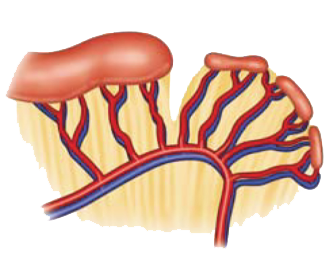
Defective rotation of gut during development. Needs surgical correction.
Emergency. May need surgical intervention. Poor prognosis.
includes the common pediatric surgical problems within the first 28 days of life after birth, mostly congenital in nature
Congenital absence of anus in its normal position. Needs immidiate surgery.
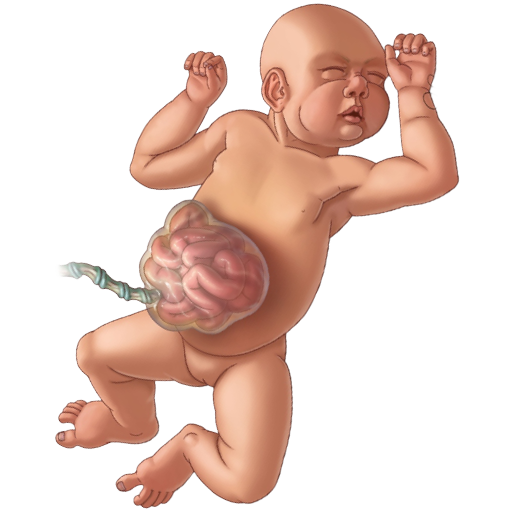
Protrusion of intestine through the umbilicus covered with a membrane. Emergency.
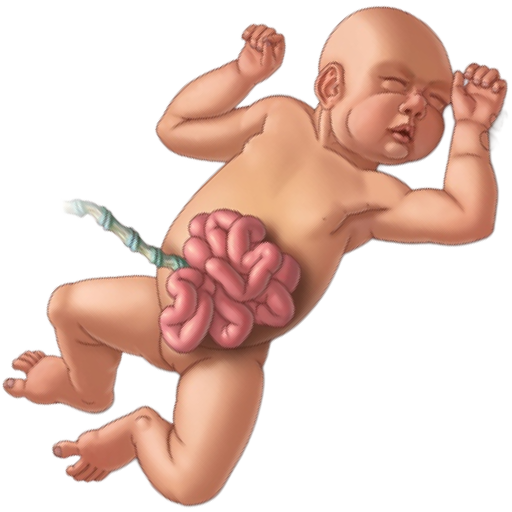
Protrusion of intestine through the umbilicus without any membrane. Emergency surgery.
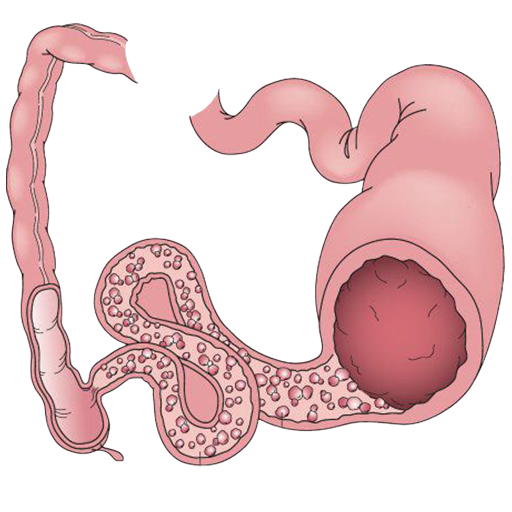
Intestinal obstruction due to thick, turr like meconium. Needs emergency surgery.
Complete obstruction of intestine due to congenital causes. Needs urgent surgery.
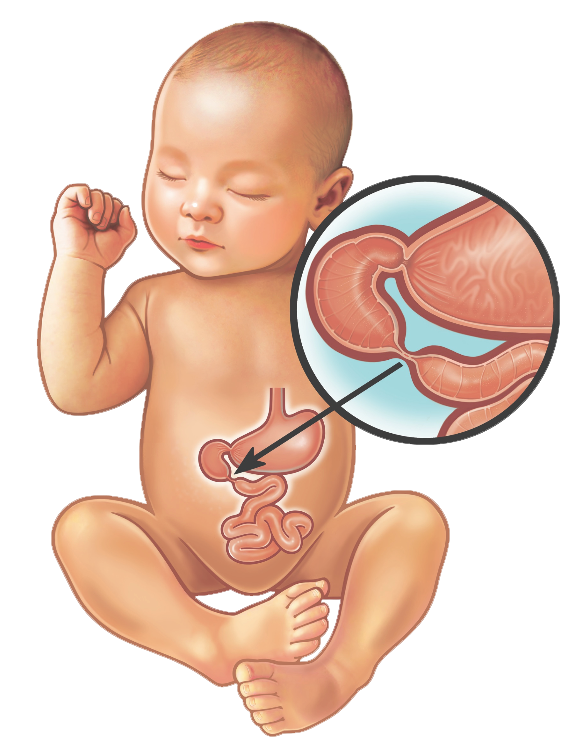
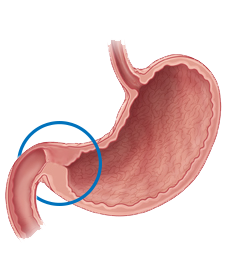
Narrowing of pylorus of stomach causes severe vomiting. Needs surgery.
Can be caused due to various reasons like congenital bands and adhesion. Needs surgery.
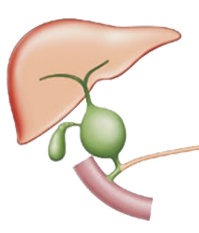
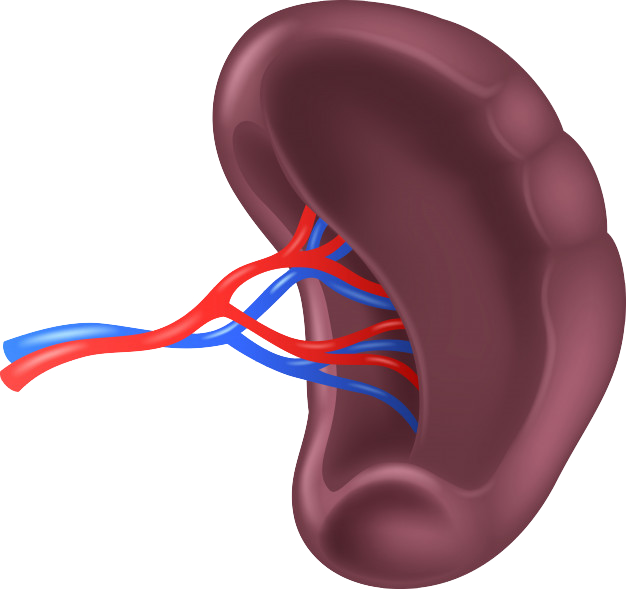
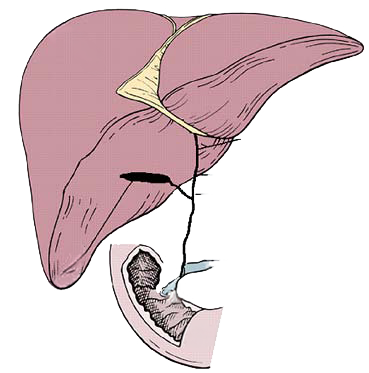
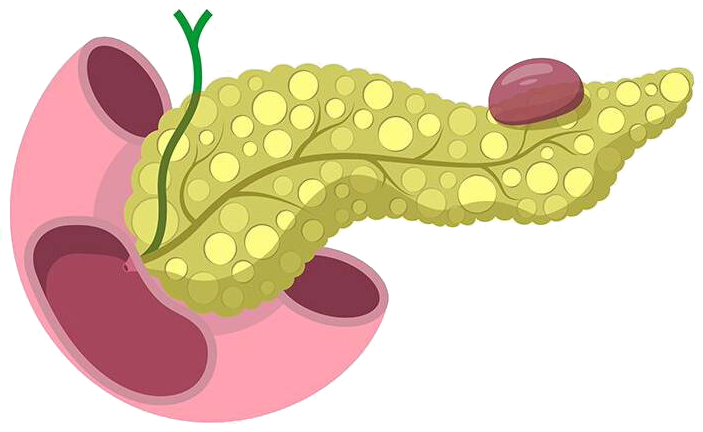
includes the common pediatric surgical problems involving the liver, biliary channels, pancreas and spleen. Some are congeital and others are acquired
Rare in children. If present needs evaluation for hematological disease. Surgery is recommended.
Dilatation of the common bile duct. Needs MRCP to diagnose. Surgery recommended.
Enlarged spllen mostly due to hematological disroders. At a point needs surgery.
Congenital obstruction of the biliary tract. Present with persistant jaundice. Needs multiple surgeries.
A complication of pancreatitis. May improve with conservative management. If not, surgery.
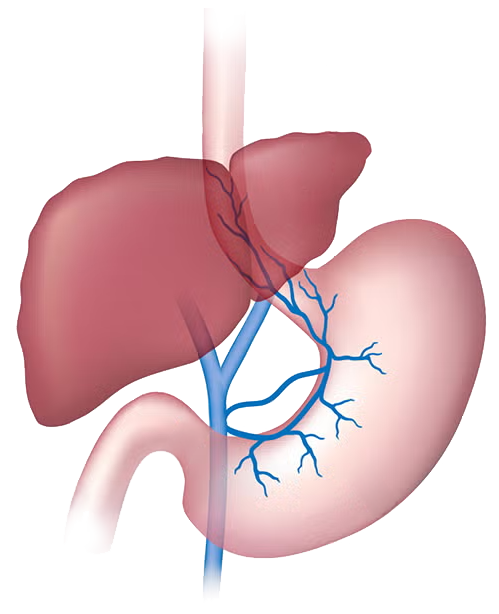
Hypertension of portal system. May present with blood vomiting. May need surgery.
surgeries done using modern technology like laparoscopy, endoscopy and cystoscopy. Ensure minimal pain and rapid recovery.
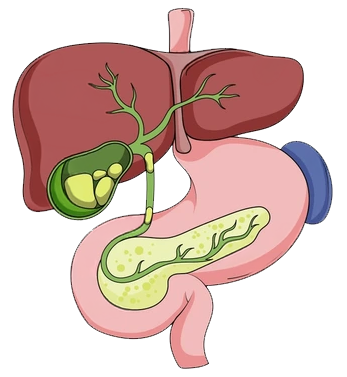
This is a keyhole surgery performed through small incisions in the belly to remove the gallbladder
This is a minimally invasive surgery used to remove an inflamed appendix through small cuts in the abdomen.
This is a keyhole surgery used to cut and open the thickened muscle at the stomach’s exit to help food pass easily.
The doctor uses a thin, flexible tube with a camera to look directly inside the child’s bladder and urinary tract
This is a surgery done through tiny abdominal cuts to repair a blockage where the kidney connects to the ureter.
includes the common urological problems both congenital and acquired involving kidney, ureter, urinary bladder and urethra
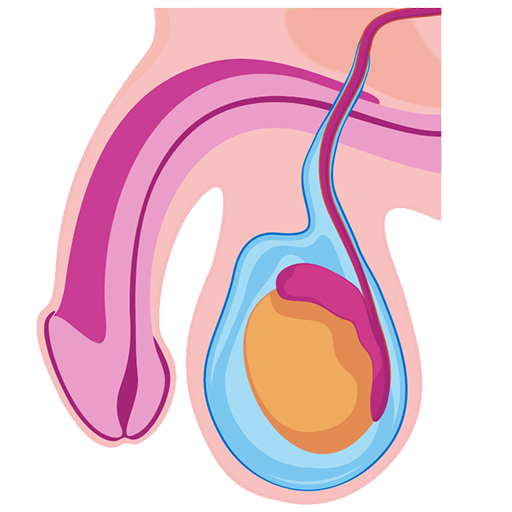
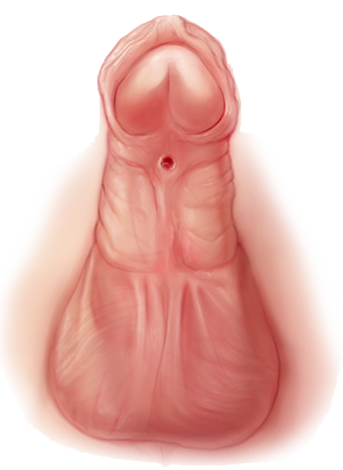
Where the opening of the penis is located on the underside instead of at the tip
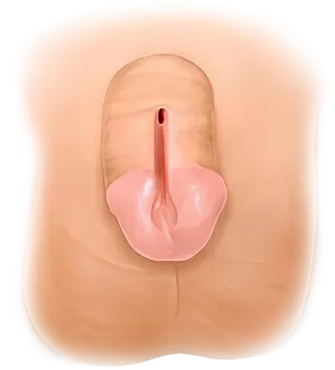
Where the opening of the penis is located on the top surface instead of at the tip
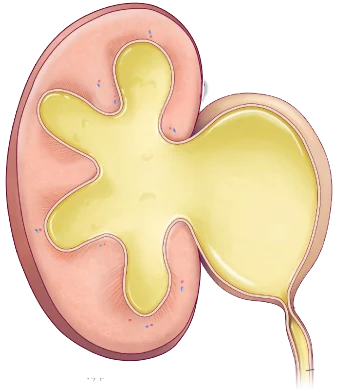
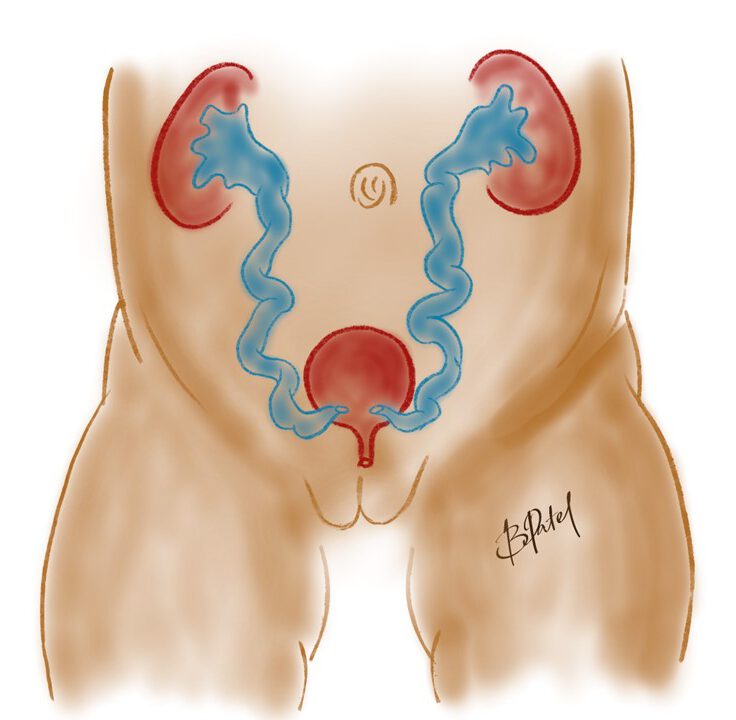
A blockage where the kidney connects to the tube that carries urine to the bladder
A blockage where the ureter connects to the bladder, making it difficult for urine to empty properly from the kidney
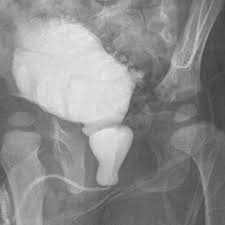
Where urine incorrectly flows backward from the bladder up into the kidneys instead of going out of the body
This is a condition in boys where an abnormal flap of tissue blocks the flow of urine out of the bladder
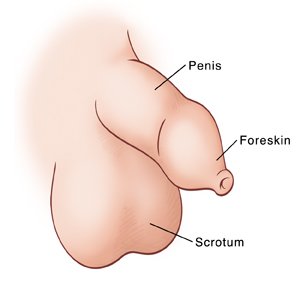
This is a condition where the foreskin of the penis is too tight to be pulled back over the head of the penis
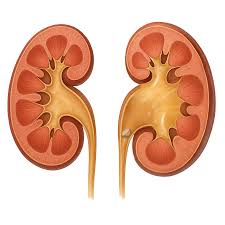
This occurs when urine cannot drain properly from the kidney, causing it to become swollen and enlarged.
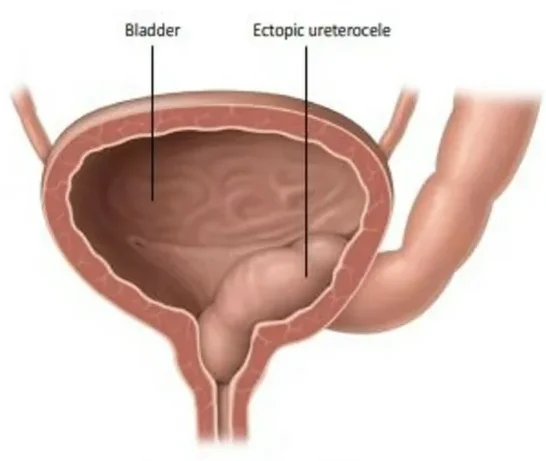
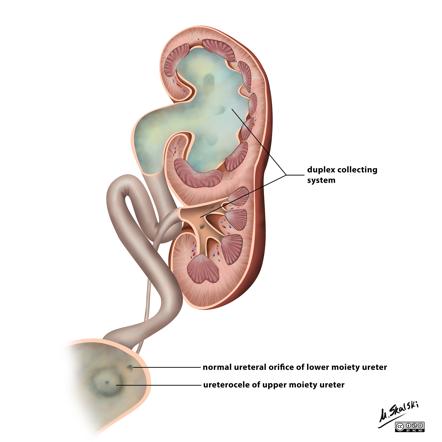
Where the end of the tube carrying urine from the kidney swells into a small, balloon-like pouch inside the bladder
where a person has an extra drainage tube (ureter) for a single kidney
Ready to book an appointment or still having some doubts?